About the Reserve
Terrain, wildlife & the case for conservation.
DPWR sits on the Dharabi Dam, 9 km northeast of Kallar Kahar, in one of the Salt Range's most biologically varied corners — a mosaic of scrub forest, wetland and rocky lowland that sustains species found almost nowhere else nearby.
Location & History
Little Kashmir
Dharabi Private Wildlife Reserve (DPWR) is located in the Salt Range, south of the Potohar Plateau and north of the Jhelum River. The reserve lies 9 km northeast of Kallar Kahar city, bordering Rakh Rana, a natural forest, and the Dharabi Dam.
The region is historically described as “Little Kashmir” because of its natural beauty and pleasant weather. Like other areas of the Salt Range, the terrain is rocky and features typical dry subtropical semi-evergreen scrub forest with some broad-leaved trees, shrubs, and a basal grass cover — an ideal and preferred habitat of the grey and black partridges.
DPWR is committed to preserving the ecological integrity and biodiversity of the region. It aims for the sustainable use of natural and biological resources for the benefit of present and future generations, with the participation of indigenous and local communities at all levels.
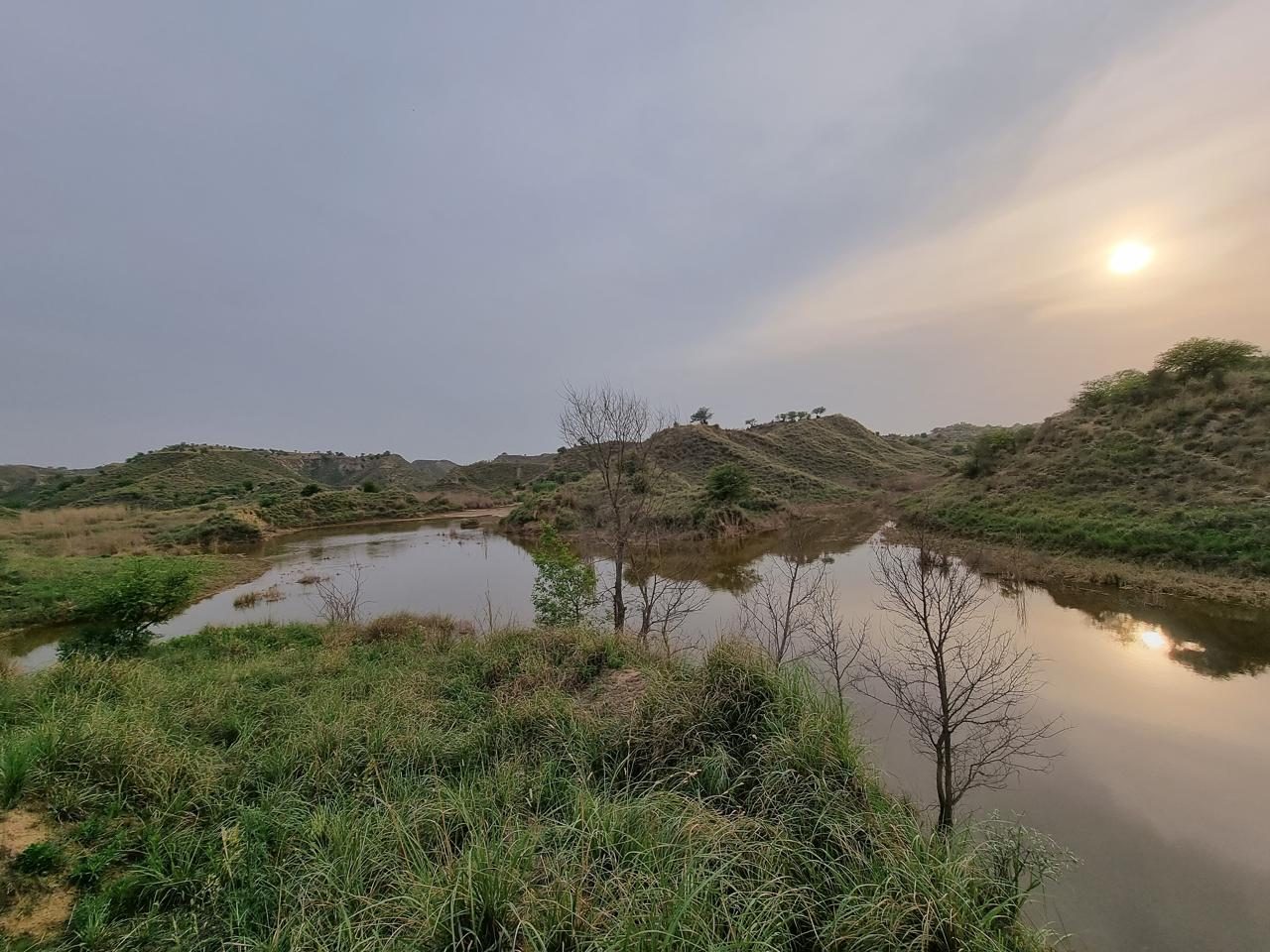
Landscape & Natural Features
Water, in an arid range.
Despite its arid to semi-arid climate, DPWR is sustained by a reliable network of natural and man-made water sources. Its proximity to the River Dharab and Dharabi Dam, together with a small internal dam, ensures year-round water availability. These water bodies give rise to seasonal marshes and wetlands that support aquatic life, attract migratory waterfowl, and significantly enhance the reserve's ecological value.
Supported by this water availability, DPWR hosts dry sub-tropical semi-evergreen scrub forest typical of the Salt Range, with African-Arabian and Mediterranean floral influences — grasslands, scrub, wetlands and tree cover, with grasses (Poaceae) dominating and providing vital forage for grazing wildlife and ground-nesting birds. Common species include Acacia, Olea, Zizyphus and Dalbergia, and wetland plants such as Typha and Phragmites, alongside a thriving olive plantation.
Fauna
A field guide to the reserve.
DPWR supports a rich diversity of terrestrial fauna owing to its mosaic of natural forests, scrublands, grasslands, rocky slopes and seasonal water bodies. It historically served as an important game habitat and continues to sustain healthy populations of several ecologically significant species.
Key Mammalian Species
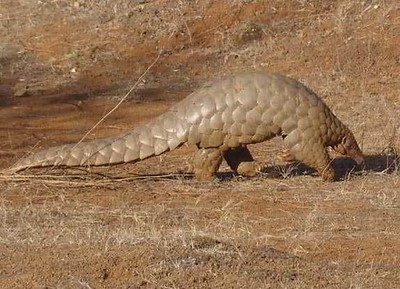
Indian Pangolin
Manis crassicaudata
Endangered & highly protected
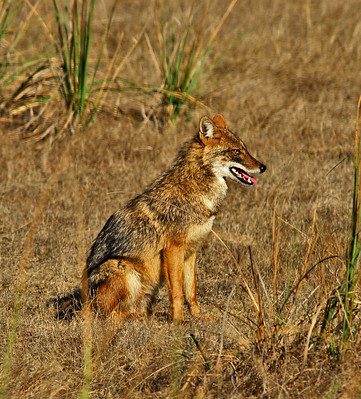
Asiatic Jackal
Canis aureus
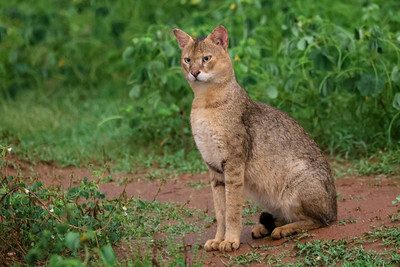
Jungle Cat
Felis chaus
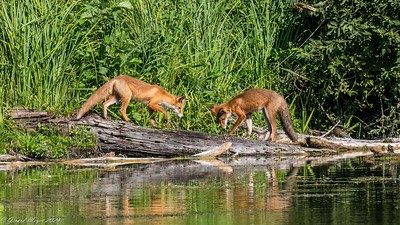
Hill / Red Fox
Vulpes vulpes
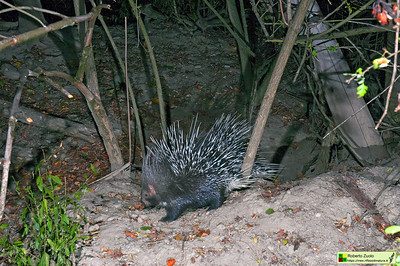
Indian Crested Porcupine
Hystrix cristatus
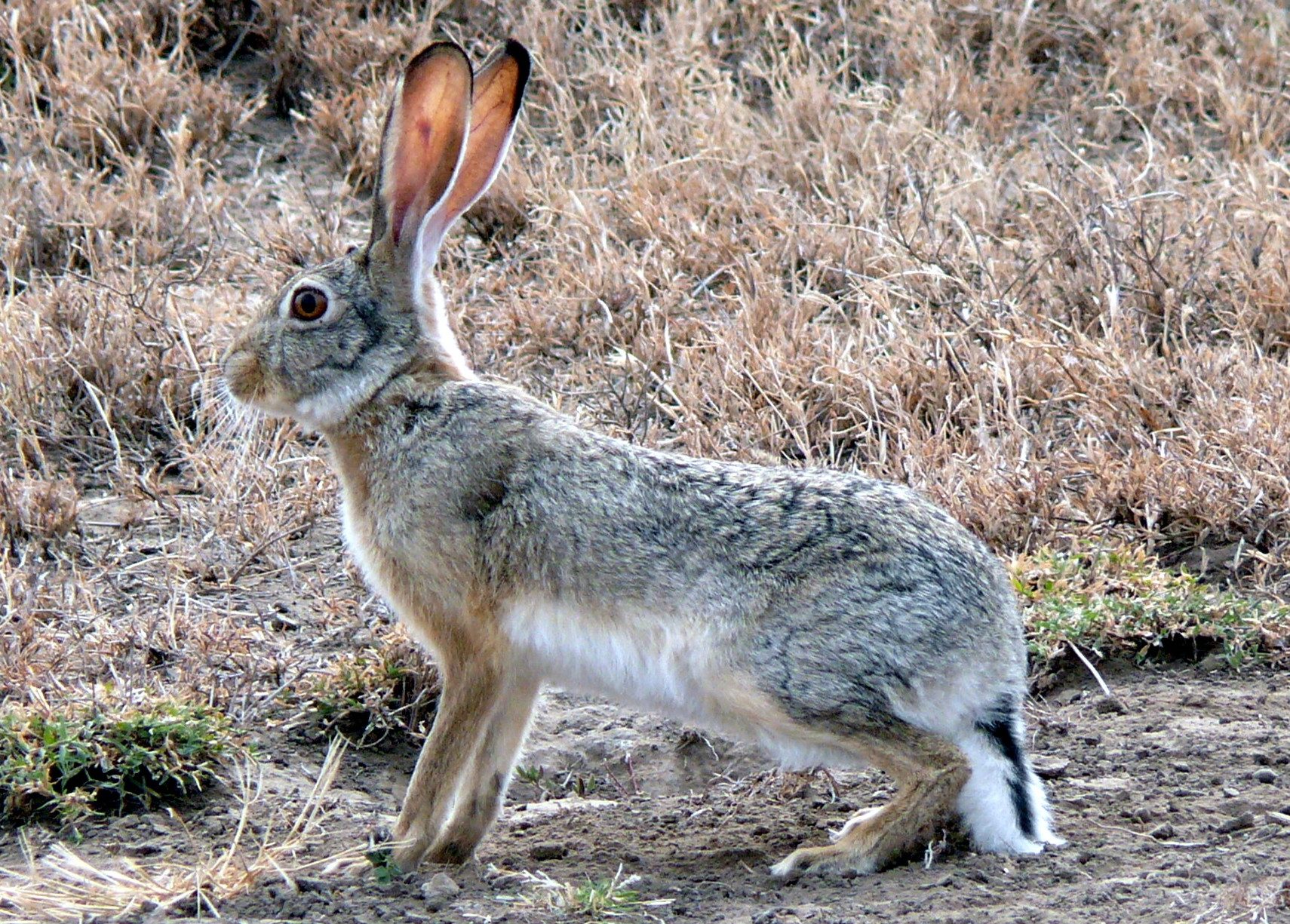
Cape Hare
Lepus capensis
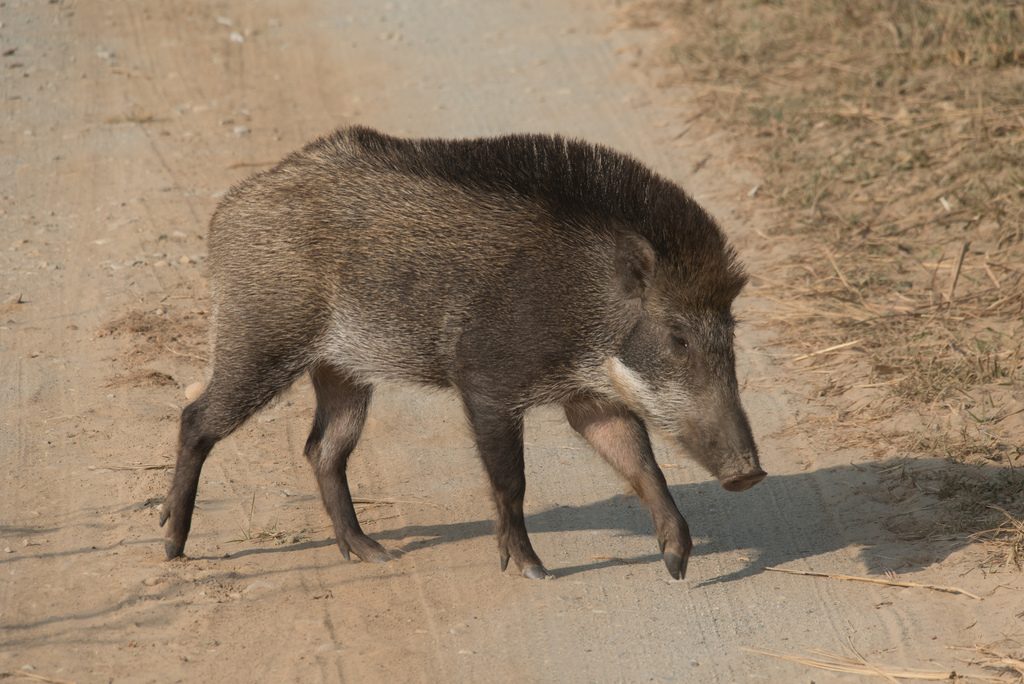
Wild Boar
Sus scrofa cristatus
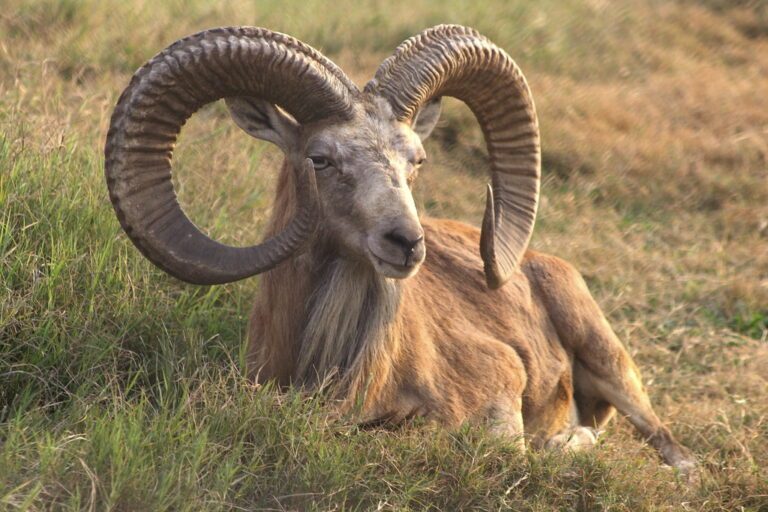
Punjab Urial
Ovis vignei punjabiensis
Future range expansion
Reptiles & Amphibians
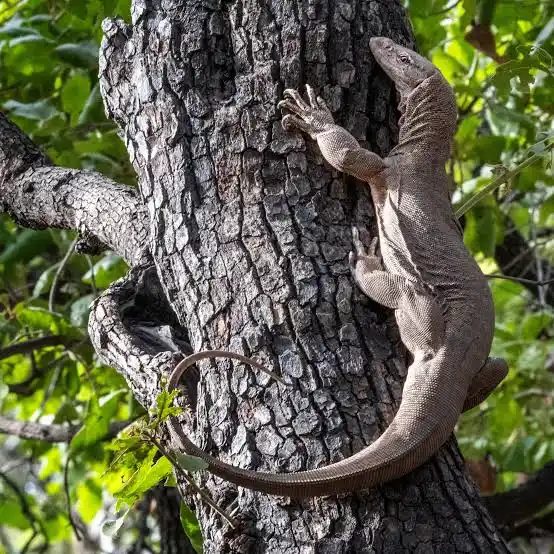
Indian Garden Lizard
Calotes versicolor
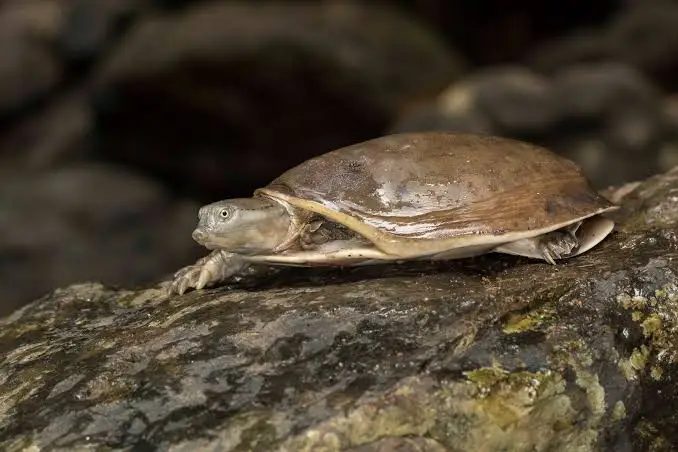
Indian Flap-shell Turtle
Lissemys punctata andersoni
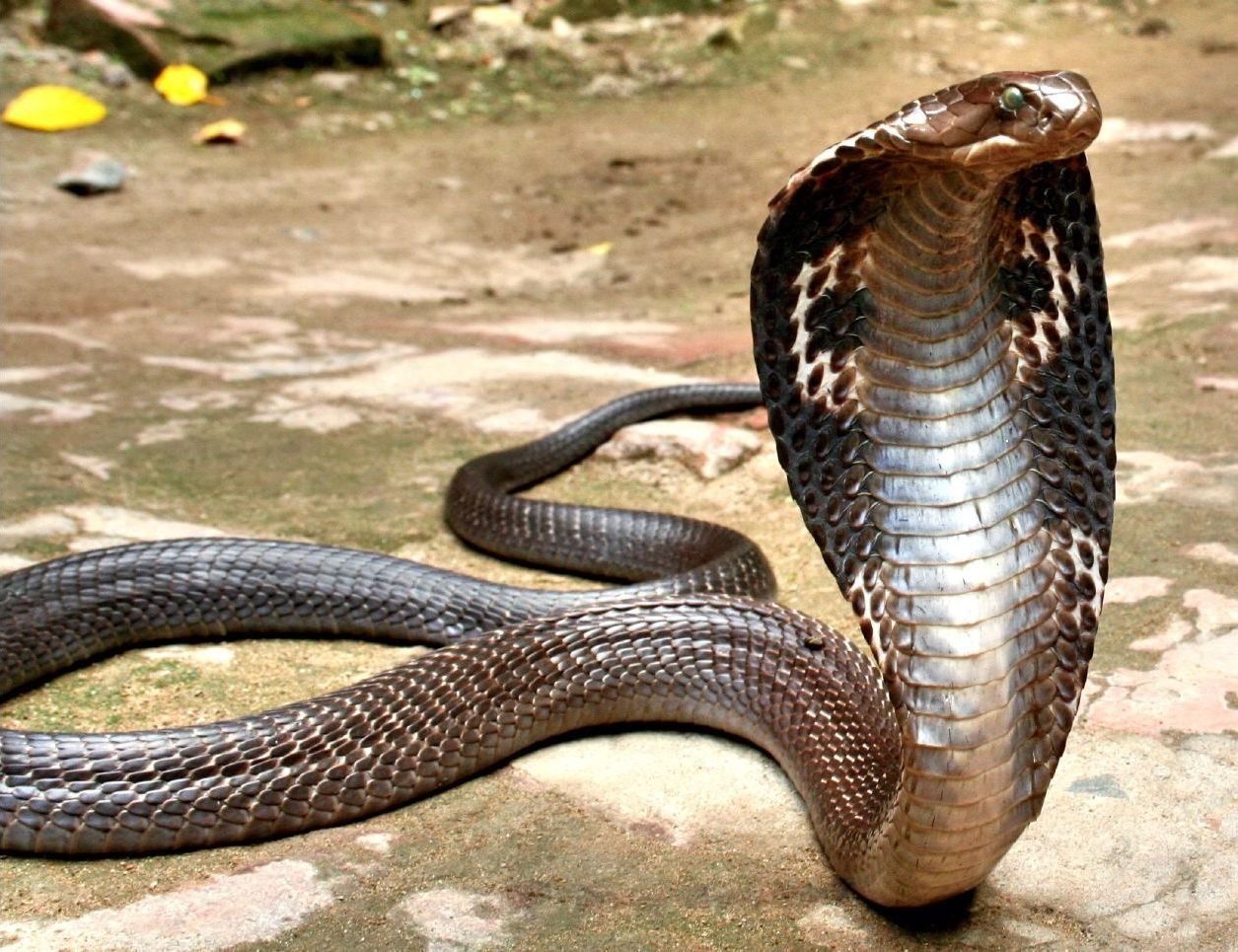
Black Cobra
Naja naja
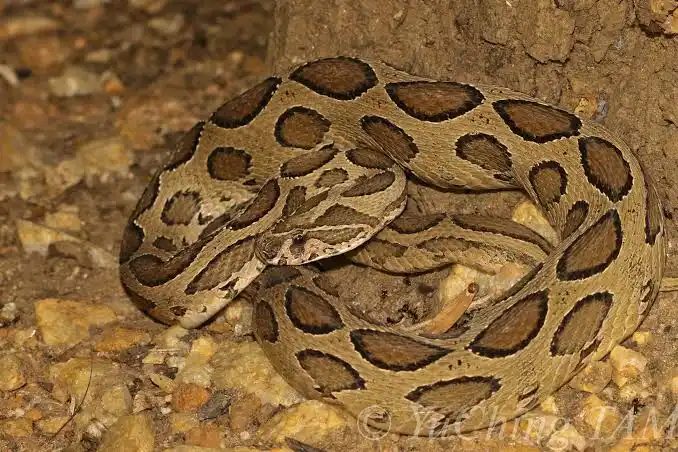
Russell's Chain Viper
Daboia russelii
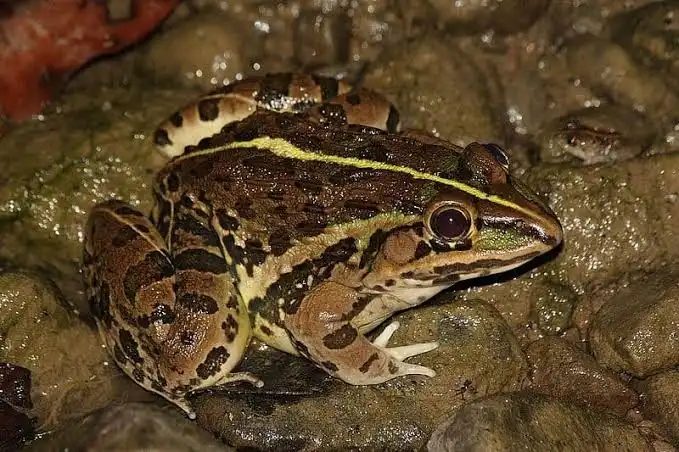
Bull Frog
Hoplobatrachus tigerinus
Avifauna
A paradise for birds.
DPWR supports a vibrant bird community, including resident, migratory and wintering species, thanks to its diverse habitats and aquatic ecotones.
Iconic Game Birds
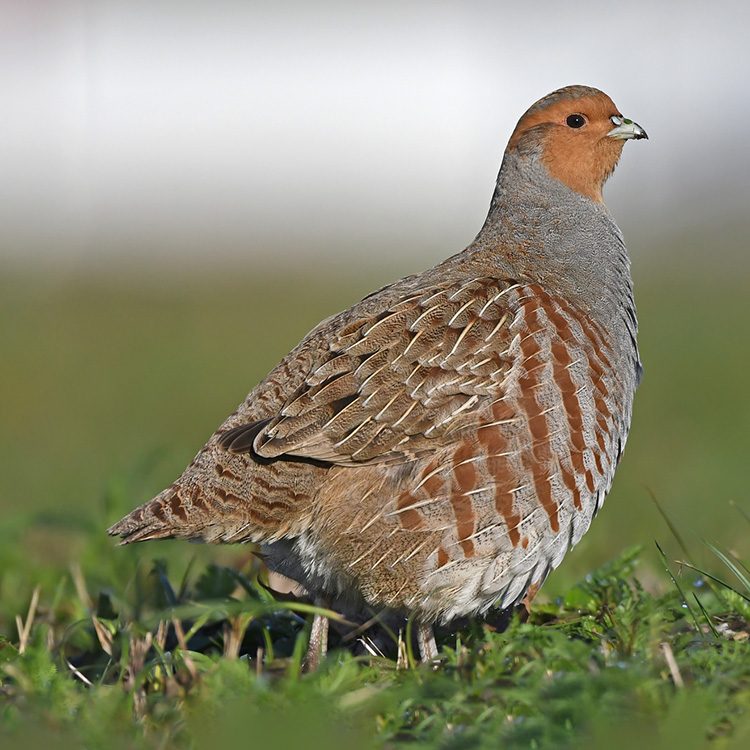
Grey Partridge
Francolinus pondicerianus
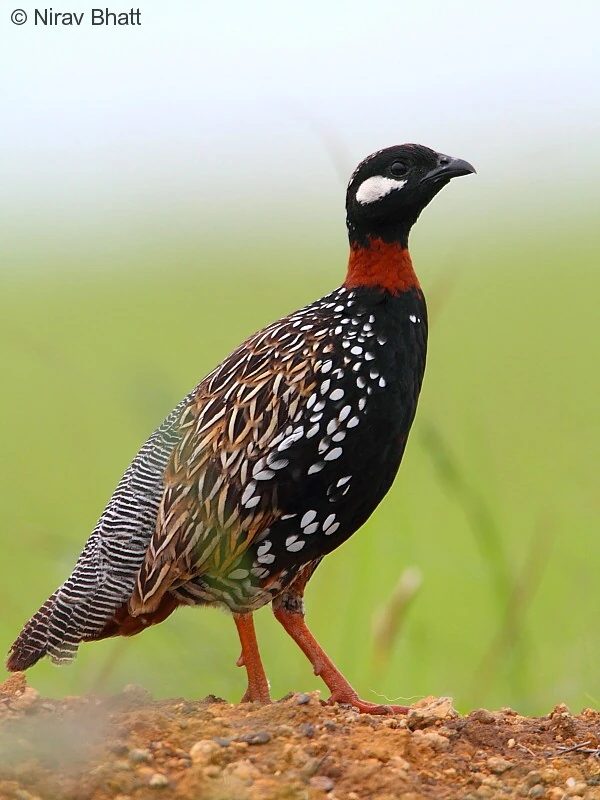
Black Francolin
Francolinus francolinus
Healthy populations indicate strong habitat sustainability
Raptors & Birds of Prey
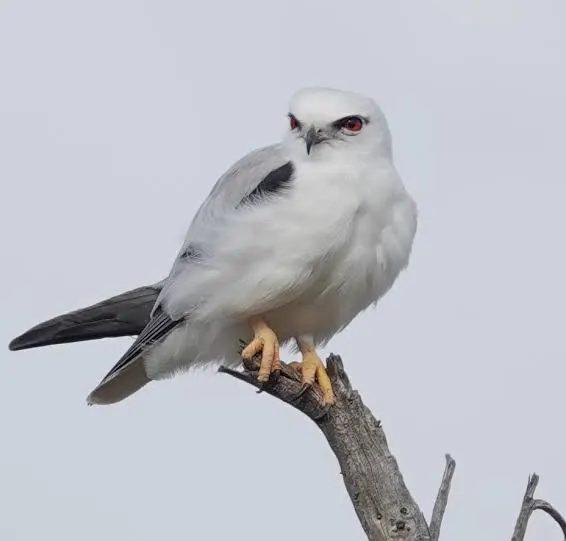
Black-shouldered Kite
Elanus caeruleus
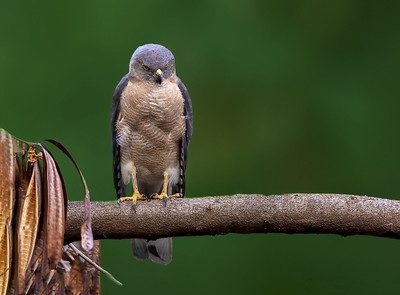
Shikra
Accipiter badius
Waterfowl & Wetland Birds
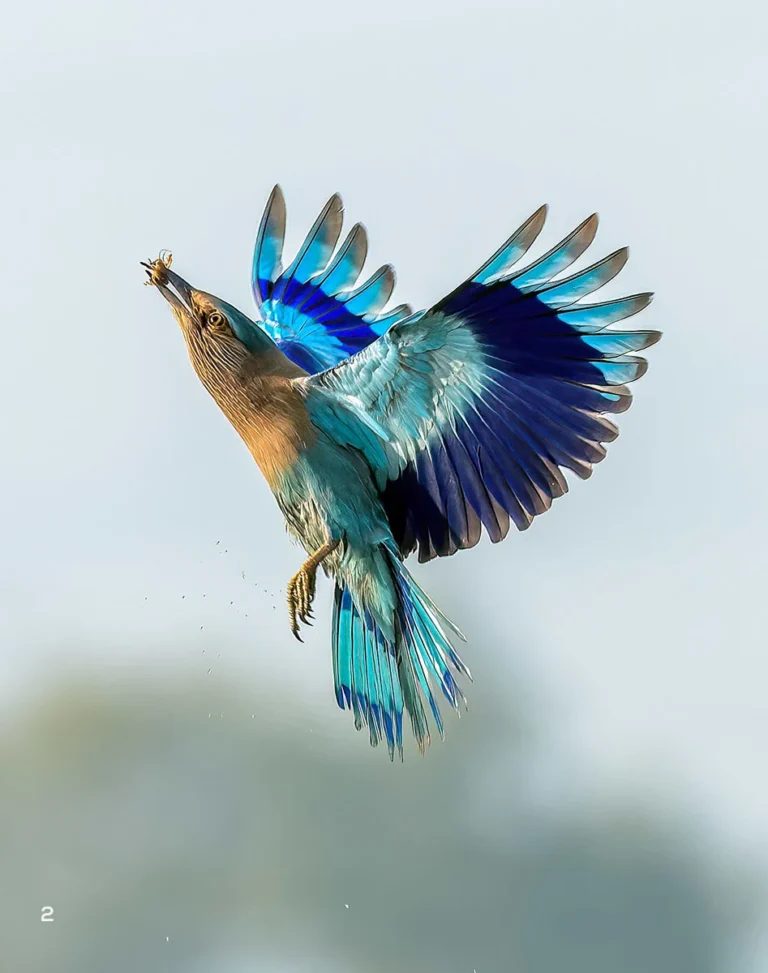
Indian Roller
Coracias benghalensis
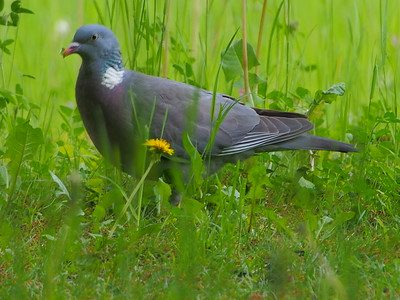
Blue Rock Pigeon
Columba livia
Common & Colorful Residents
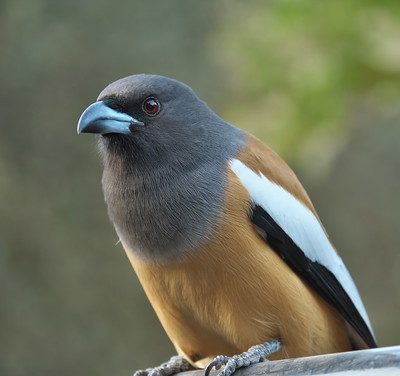
Indian Tree Pie
Dendrocitta vagabunda
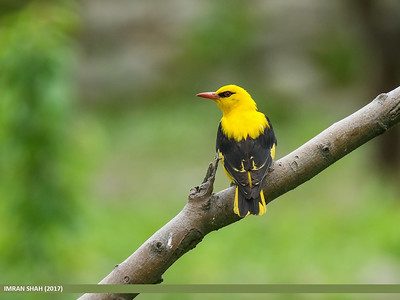
Golden Oriole
Oriolus oriolus
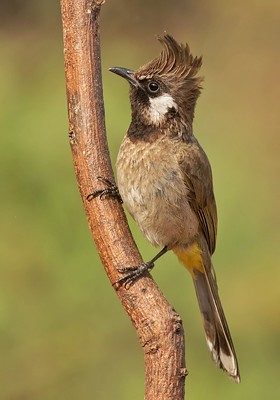
White-cheeked Bulbul
Pycnonotus leucogenys
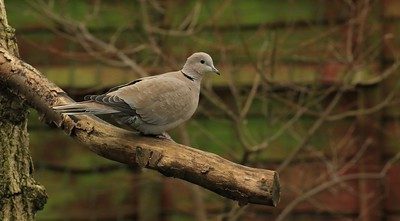
Laughing Dove
Spilopelia senegalensis
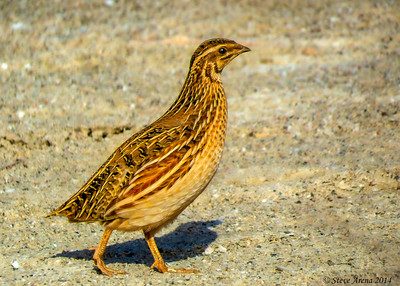
Bengal Bushlark
Mirafra assamica
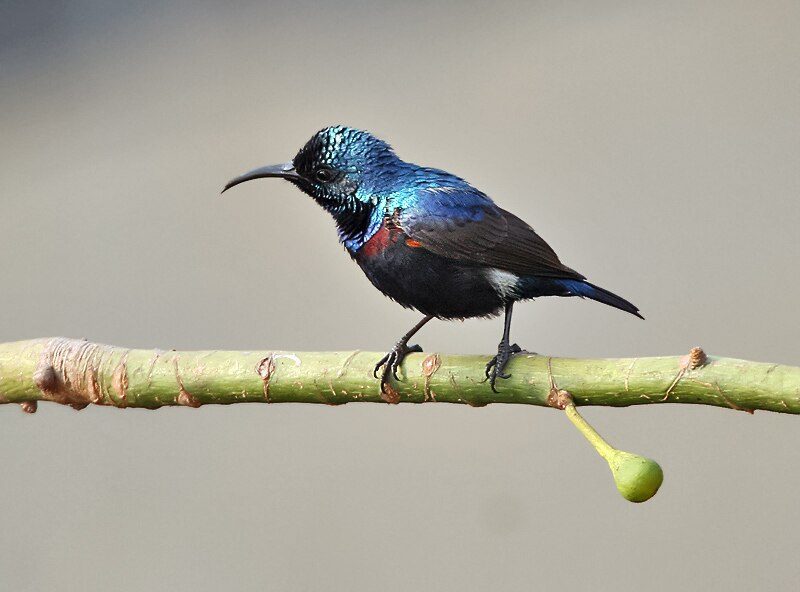
Purple Sunbird
Cinnyris asiaticus
Looking Ahead
Protecting habitat today.
The integration of reliable water sources, diverse vegetation, and varied terrain has created a resilient ecosystem capable of sustaining wildlife throughout the year. This ecological stability strengthens DPWR's role as a vital link within the wider Salt Range ecosystem.
With effective implementation of its management plan and active community engagement, DPWR offers strong potential for long-term biodiversity conservation, ecological restoration, and sustainable wildlife management. By protecting habitats today, the reserve contributes to sustaining nature and wildlife for future generations.
Get In Touch
Talk to us about the reserve.
To find out more about our conservation initiatives, plan your visit, or make a reservation, please reach out.
Get in Touch